



Selling Property in Las Terrenas: Complete Owner’s Guide
Selling a home in the Caribbean can be a rewarding opportunity, but achieving a successful sale requires more than simply listing a property online. From determining the right asking price to attracting qualified international buyers, every stage of the process can influence the final outcome.
If you are considering selling property in Las Terrenas, understanding the local real estate market, legal requirements, marketing strategies, and negotiation process is essential.
Located on the Samaná Peninsula in the Dominican Republic, Las Terrenas attracts buyers interested in beachfront villas, vacation homes, investment properties, and permanent residences. However, selling successfully requires a strategy adapted to your property’s characteristics and the expectations of potential buyers.
This guide explains how to prepare your property for sale, establish a competitive price, reach the right audience, and navigate the transaction with greater confidence.
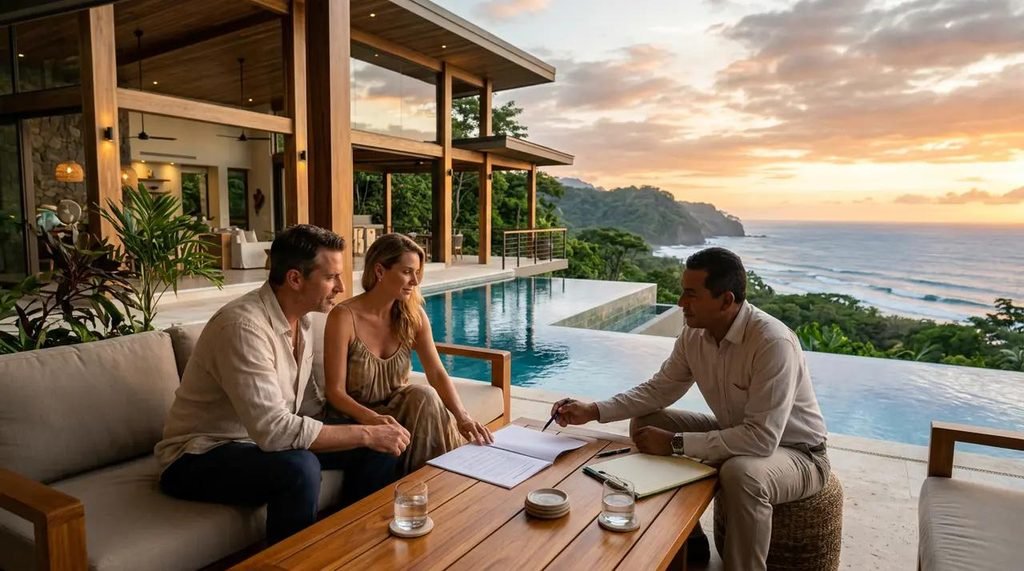
Understanding the Las Terrenas Real Estate Market
Before selling property in Las Terrenas, it is important to understand what makes the local market different from other destinations.
Las Terrenas combines Caribbean beaches, tropical landscapes, residential communities, and an international population. Its real estate market includes luxury villas, beachfront condominiums, residential apartments, development land, and investment properties.
Potential buyers may include:
- International investors looking for vacation rental opportunities.
- Families searching for a second home in the Caribbean.
- Retirees planning to relocate to the Dominican Republic.
- Buyers interested in beachfront or luxury residences.
- Individuals seeking land for residential development.
Each buyer category has different priorities.
For example, an investor may focus on rental income, operating expenses, and occupancy history, while a family purchasing a vacation home may prioritize privacy, beach access, and outdoor living spaces.
Understanding your target buyer is an important first step toward developing an effective sales strategy.
Step 1: Determine the Right Property Value
One of the most important decisions when selling property in Las Terrenas is establishing the correct asking price.
An unrealistic price can discourage potential buyers and cause a property to remain on the market longer than necessary.
On the other hand, pricing too low may result in leaving money on the table.
What Determines Property Value in Las Terrenas?
Several factors influence the market value of a property:
Location: Properties near Playa Bonita, Playa Cosón, Las Ballenas, Punta Popy, and El Portillo may appeal to different buyer profiles.
Distance from the beach: Direct beachfront access, ocean views, and walking distance to the coastline can influence demand.
Property size: Interior living space, land area, bedroom count, and outdoor areas all contribute to value.
Condition and maintenance: Well-maintained properties generally make a stronger impression and may require fewer immediate expenses for buyers.
Amenities: Swimming pools, landscaped gardens, security, parking, and outdoor entertaining areas can improve a property’s appeal.
Rental potential: Properties with documented rental performance may attract investors seeking income-producing assets.
Why a Professional Property Valuation Matters
A professional property valuation should consider comparable properties, current competition, location, condition, and market demand.
Importantly, advertised prices are not necessarily the same as completed sale prices.
A realistic valuation should therefore look beyond online listings whenever reliable transaction information is available.
Working with a real estate professional who understands the Las Terrenas market can help establish a competitive asking price supported by relevant evidence.
Step 2: Prepare Your Property for Sale
Presentation plays an important role in attracting buyers.
When selling property in Las Terrenas, preparing the home before photography, advertising, and viewings can improve the overall impression.
Address Maintenance Issues
Before listing your property, inspect its general condition.
Pay particular attention to:
- Air-conditioning systems and ventilation.
- Plumbing and electrical installations.
- Swimming pools and filtration equipment.
- Roofs, terraces, and exterior surfaces.
- Doors, windows, and security features.
- Gardens and landscaping.
- Signs of humidity or water damage.
Coastal properties are exposed to humidity, salt air, and tropical weather, making regular maintenance especially important.
Addressing visible problems before viewings can reduce buyer concerns and help avoid complications during negotiations.
Improve the Property’s Presentation
A clean, organized, and well-presented home allows potential buyers to appreciate its space and features.
Simple improvements may include repainting selected areas, refreshing outdoor furniture, improving lighting, and removing unnecessary personal belongings.
For furnished villas, thoughtful staging can help buyers imagine how the property could be used as a vacation residence or rental accommodation.
Major renovations are not always necessary. The objective is to present the property accurately and attractively without investing in improvements that may not be recovered through the sale.
Step 3: Organize the Required Documentation
Preparing legal documentation early is essential when selling property in Las Terrenas.
Incomplete or inconsistent paperwork can delay negotiations, complicate due diligence, or prevent a transaction from moving forward.
The exact requirements depend on the property and ownership structure, but sellers should be prepared to provide relevant documents.
Certificate of Title
The Certificate of Title is a fundamental document establishing registered ownership of a property in the Dominican Republic.
Buyers and their attorneys will need to verify the ownership information and investigate any registered mortgages, liens, or restrictions.
Property Boundaries and Survey Documentation
For land and certain residential properties, cadastral documentation and boundary verification are particularly important.
A property supported by a Constancia Anotada may require additional procedures, including a deslinde, depending on its legal status.
A Dominican real estate attorney and qualified surveyor can determine which steps are necessary.
Tax and Financial Records
Sellers should also review applicable property tax obligations and obtain the documentation required to demonstrate the property’s tax status.
For condominium properties, it is advisable to prepare information regarding maintenance fees, outstanding balances, and community regulations.
Additional Documents
Depending on the transaction, other documents may include:
- Seller identification and marital-status documentation.
- Corporate ownership documents, if applicable.
- Powers of attorney for authorized representatives.
- Building permits or construction documentation, where relevant.
- Existing lease agreements or rental commitments.
- Information about outstanding mortgages or other obligations.
An independent attorney should review the specific requirements before the sale proceeds.
Step 4: Create an Effective Real Estate Marketing Strategy
A strong marketing strategy is essential when selling property in Las Terrenas, particularly because potential buyers may live outside the Dominican Republic.
Simply uploading a few photographs to a property portal is rarely the strongest approach.
The objective is to present the property professionally and reach buyers whose interests match its characteristics.
Professional Real Estate Photography
High-quality photographs are one of the most important marketing assets.
Images should highlight the property’s main selling points, including architecture, natural light, outdoor spaces, swimming pools, terraces, gardens, and surrounding views.
For luxury villas, professional photography can help communicate the property’s atmosphere and lifestyle.
Video and Virtual Tours
Videos and virtual tours can be especially valuable for international buyers who cannot immediately visit the Dominican Republic.
A well-produced property video can demonstrate the layout, indoor-outdoor connection, and surroundings more effectively than photographs alone.
Drone photography may also be useful when it accurately illustrates the property’s location, land, and proximity to the coastline.
Online Property Listings
Property listings should include accurate descriptions, relevant specifications, clear photographs, and essential information about the location.
For international audiences, presenting information in multiple languages can help reduce communication barriers.
Descriptions should focus on genuine benefits rather than exaggerated claims about investment returns or future appreciation.
Digital Marketing and International Exposure
A coordinated marketing strategy may include real estate websites, search engine visibility, social media, targeted advertising, and direct communication with prospective buyers.
The most effective channels depend on the property.
A luxury beachfront villa may require a different marketing approach from a residential apartment or development lot.
Step 5: Attract and Qualify Potential Buyers
Generating inquiries is only one part of the selling process.
When selling property in Las Terrenas, identifying serious buyers can save time and reduce unnecessary viewings.
A qualified buyer should have a clear understanding of the property’s price range, intended use, and general purchasing requirements.
Depending on the circumstances, qualification may involve discussing financing arrangements, purchase timelines, and whether the buyer is already familiar with the Dominican Republic.
International buyers may also need assistance understanding the local purchasing process.
Clear communication and accurate information help build confidence and keep negotiations productive.
Step 6: Manage Property Viewings and Offers
Property viewings provide an opportunity to demonstrate the home’s advantages and address buyer questions.
Before each visit, the property should be clean, accessible, and properly maintained.
For occupied homes or vacation rental properties, appointments should be coordinated to minimize disruption.
When an offer is received, sellers should evaluate more than the proposed purchase price.
Important considerations include:
- The amount offered.
- Payment method and financing conditions.
- Proposed deposit arrangements.
- Due diligence requirements.
- Requested contingencies.
- Expected closing timeline.
- Any furniture or equipment included in the transaction.
An offer with a higher price is not automatically preferable if it includes significant uncertainty or difficult conditions.
Professional negotiation should aim to balance price, security, and the likelihood of successfully completing the transaction.
Step 7: Understand the Costs of Selling Property
Before selling property in Las Terrenas, owners should calculate their expected net proceeds rather than focusing exclusively on the advertised selling price.
Depending on the transaction, expenses may include real estate commissions, legal fees, outstanding property obligations, mortgage settlement costs, and applicable taxes.
Real Estate Commission
Real estate commissions are generally established through an agreement between the property owner and the agency.
The rate, services included, payment conditions, and any exclusivity arrangements should be clarified before the property is listed.
Capital Gains Tax
A property sale may create a taxable capital gain.
Under the Dominican Republic’s Law 30-26, a 10% capital gains tax rate applies to qualifying real estate gains of individuals, subject to the applicable legal rules, exemptions, and calculation procedures.
The tax is not simply calculated as 10% of the property’s total selling price.
The taxable gain depends on the relevant fiscal cost basis and other legally recognized adjustments.
Tax treatment may differ for corporate sellers, inherited properties, and other ownership arrangements.
Because individual circumstances can materially affect the final liability, sellers should obtain advice from a qualified Dominican tax professional before completing the transaction.
Property Transfer Tax
The Dominican Republic generally applies a 3% real estate transfer tax, subject to the applicable valuation rules and exemptions.
This expense is commonly handled by the buyer, but the parties should clearly establish their respective obligations in the purchase agreement.
Outstanding Expenses
Before closing, sellers may also need to settle outstanding condominium fees, property taxes, mortgages, utility balances, or other obligations affecting the property.
Preparing a detailed estimate of these expenses makes it easier to understand the amount you can expect to receive after the sale.
Step 8: Complete the Legal Closing Process
Once the buyer and seller agree on the principal terms, the transaction moves toward the legal closing process.
In the Dominican Republic, the exact sequence can vary depending on the property, financing arrangements, and contractual conditions.
A typical transaction may involve:
- Negotiating and documenting the purchase terms.
- Completing legal and property due diligence.
- Confirming the payment arrangements and contractual obligations.
- Executing the appropriate purchase agreement or deed.
- Completing applicable tax and registration procedures.
- Registering the ownership transfer with the relevant authorities.
Buyers and sellers should work with qualified legal professionals to ensure the transaction complies with Dominican law.
Payment arrangements, deposits, and the release of funds should be clearly documented and appropriately secured.
A completed sale requires more than signing an agreement: the legal transfer and registration requirements must also be properly addressed.
Selling Property in Las Terrenas While Living Abroad
Many property owners in Las Terrenas reside outside the Dominican Republic for part or all of the year.
Fortunately, selling property in Las Terrenas does not necessarily require the owner to be physically present throughout every stage of the process.
A local real estate professional can coordinate marketing, inquiries, property viewings, and communication with prospective buyers.
An attorney may also be able to represent the seller in certain legal procedures through an appropriately executed power of attorney.
However, the validity, form, authentication, and scope of the authorization must be verified in advance.
Owners living abroad should also consider how documents will be signed, how sale proceeds will be received, and whether tax obligations arise in their country of residence.
Preparing these arrangements early can help prevent avoidable delays.
Common Mistakes to Avoid When Selling Property
Some of the most common challenges associated with selling property in Las Terrenas can be avoided through preparation.
Overpricing the Property
An asking price based solely on personal expectations or the highest advertised listings may discourage qualified buyers.
A market-based valuation is a stronger starting point.
Using Poor-Quality Marketing Materials
Dark photographs, incomplete descriptions, and missing property information can reduce interest.
Professional presentation is particularly important when marketing to buyers who are researching remotely.
Ignoring Maintenance Problems
Visible maintenance issues may raise concerns about hidden expenses and affect negotiations.
Waiting Too Long to Prepare Documents
Missing title documents, unresolved tax obligations, or boundary questions can interrupt an otherwise promising transaction.
Focusing Only on the Asking Price
The final financial outcome depends on commissions, taxes, legal expenses, and other transaction costs.
Understanding the net proceeds helps sellers make better decisions.
How Long Does It Take to Sell Property in Las Terrenas?
There is no reliable universal timeline for selling property in Las Terrenas.
The time required depends on the asking price, location, property condition, market competition, buyer demand, and legal readiness.
Some properties may attract qualified buyers relatively quickly, while others require a longer marketing period.
Luxury homes and specialized properties may have a smaller pool of potential buyers, even when they offer attractive features.
Rather than relying on a guaranteed selling timeline, owners should focus on realistic pricing, professional marketing, and complete documentation.
Regularly reviewing buyer feedback and market activity can also help determine whether adjustments are necessary.
Why Work With a Local Real Estate Agency?
Selling a property involves valuation, marketing, communication, negotiation, and legal coordination.
A local real estate agency can help owners navigate these responsibilities and understand the expectations of buyers interested in Las Terrenas.
Local market knowledge is particularly valuable when comparing neighborhoods, identifying property advantages, and positioning a listing appropriately.
An agency familiar with international buyers can also help coordinate remote inquiries, property visits, and communication across different languages.
For owners who live abroad, having a reliable local point of contact can make the process more manageable.
Ultimately, the objective is not simply to advertise a property, but to develop a strategy that attracts suitable buyers and supports a well-organized transaction.
Frequently Asked Questions About Selling Property in Las Terrenas
Can foreigners sell property in Las Terrenas?
Yes. Foreign owners can generally sell legally owned real estate in the Dominican Republic. The transaction must comply with applicable legal, tax, and registration requirements.
Do I need to be in the Dominican Republic to sell my property?
Not necessarily. Certain steps may be completed through an authorized representative using an appropriately executed power of attorney. An attorney should confirm the requirements for your situation.
How do I determine the right asking price?
A professional valuation should consider location, size, condition, amenities, comparable properties, and current market conditions.
Do sellers pay taxes when selling property?
Potential obligations include capital gains tax and any outstanding property-related liabilities. The amount depends on the seller’s circumstances and the applicable tax rules.
Should I renovate my property before selling?
Not always. Minor repairs, maintenance, and presentation improvements can be worthwhile, but major renovations should be evaluated against their likely cost and benefit.
Can I sell a property that is currently rented?
Potentially, yes. Existing rental contracts, guest reservations, tenant rights, and transfer arrangements should be reviewed before marketing and closing the sale.
Ready to Sell Your Property in Las Terrenas?
Selling property in Las Terrenas requires a combination of realistic pricing, professional presentation, effective marketing, and careful transaction management.
Whether you own a beachfront villa, residential apartment, investment property, or parcel of land, understanding the local market and preparing your property correctly can make a meaningful difference.
At Real Estate Samaná, we help property owners navigate the Las Terrenas real estate market with local knowledge and personalized assistance.
From evaluating your property’s market position to presenting it to prospective buyers, our goal is to help you approach the selling process with clarity and confidence.
Thinking about selling your property in Las Terrenas?
Contact Real Estate Samaná to discuss your property, explore your selling options, and take the first step toward a professional valuation.